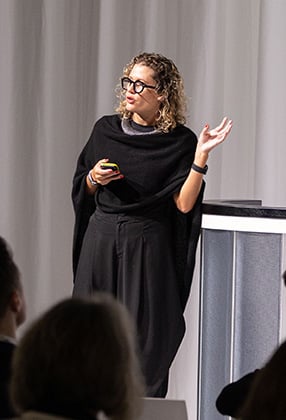
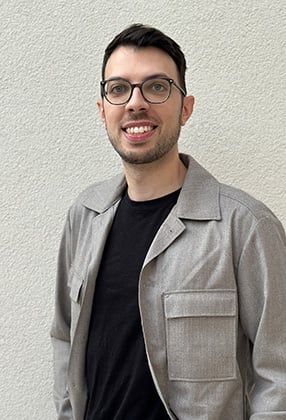
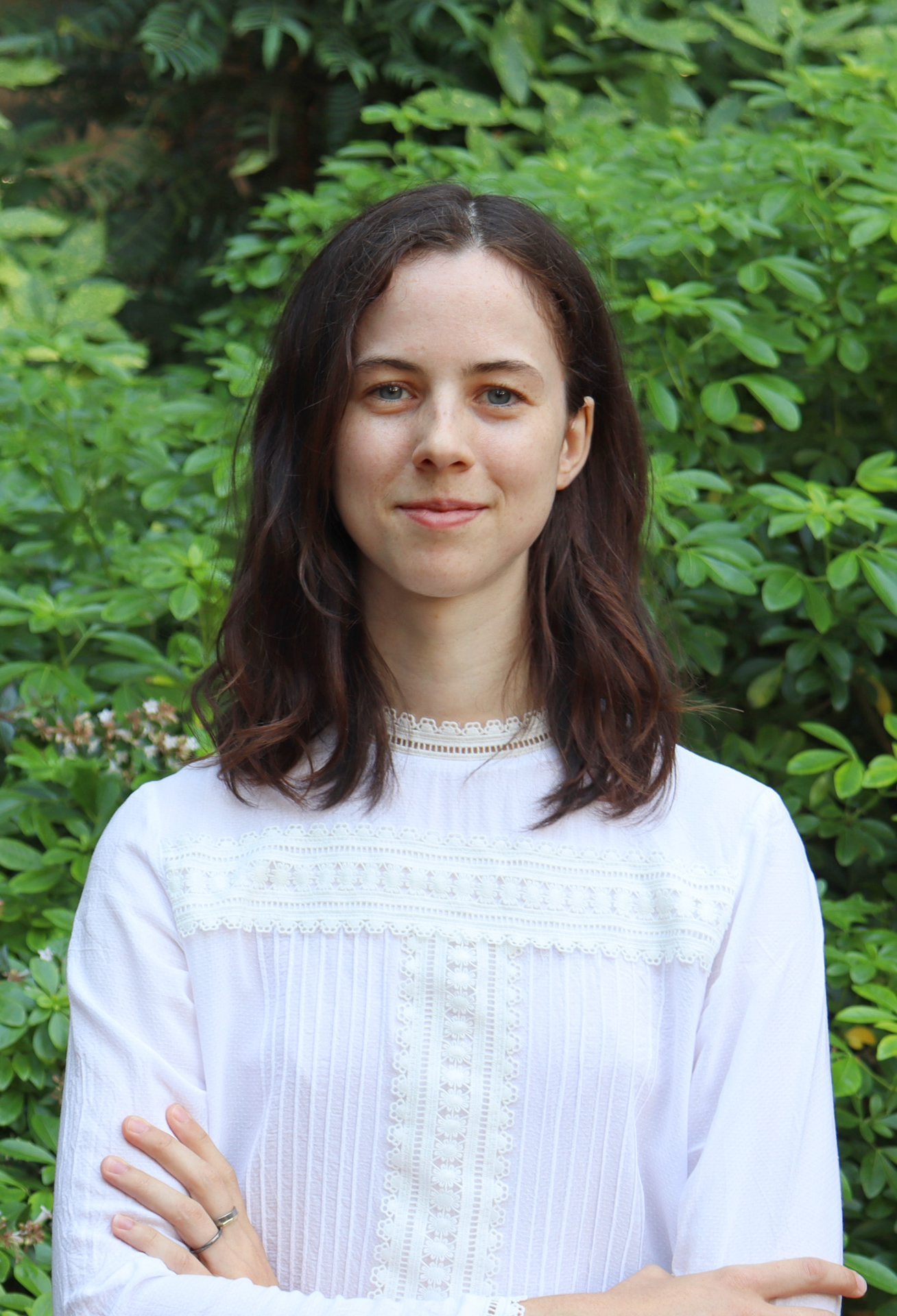
Meet…Andrea Hellerman, Associate Director
21 April 2026
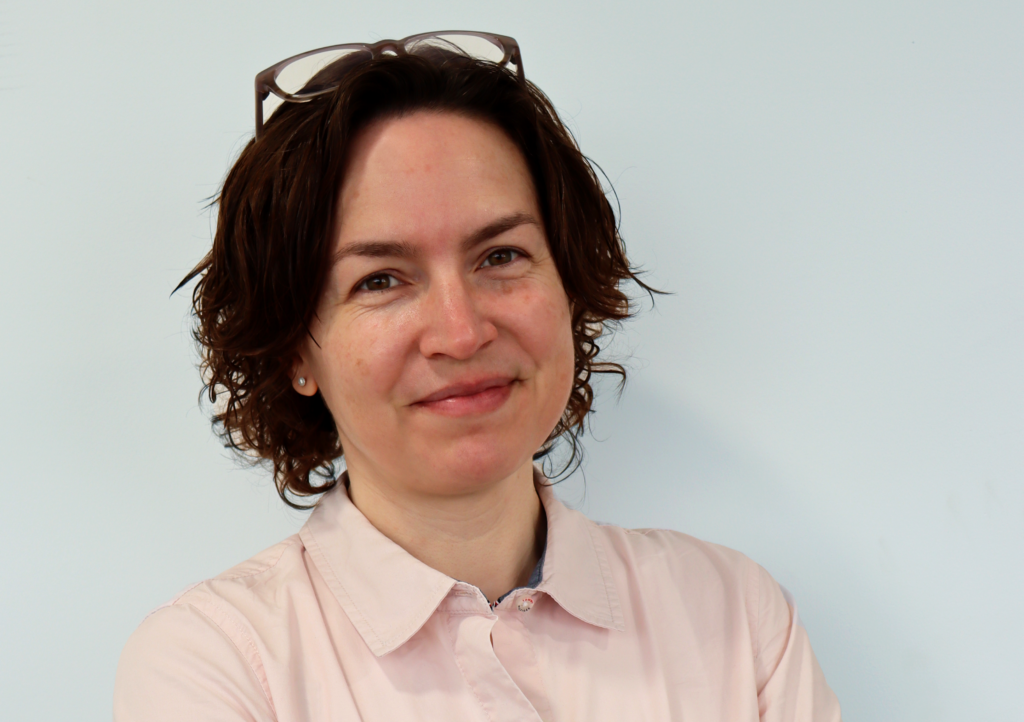
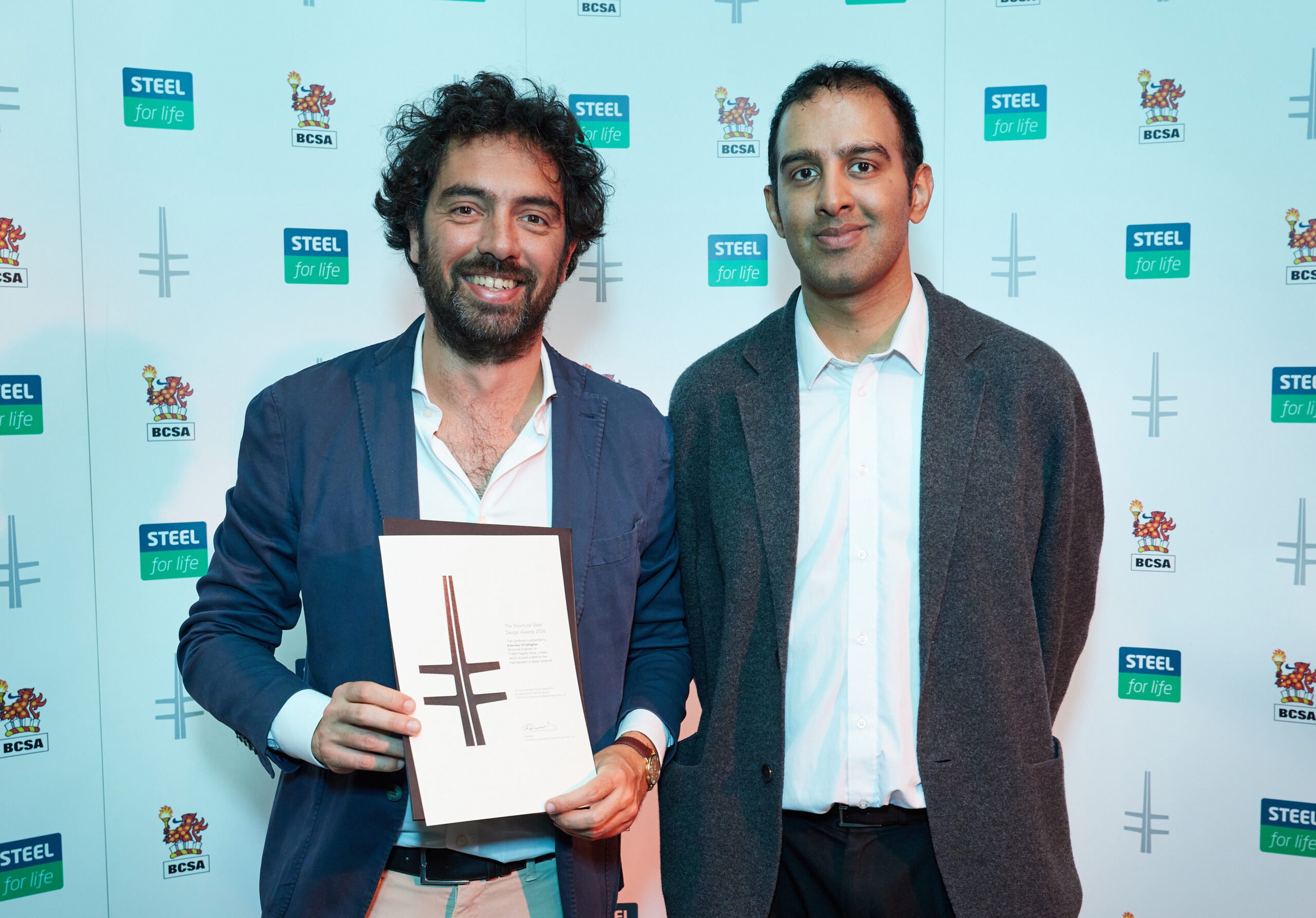
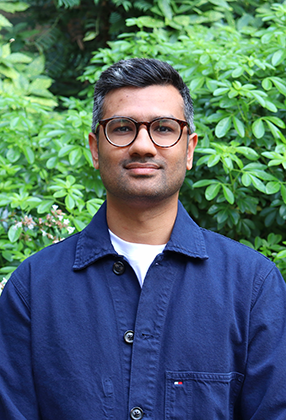
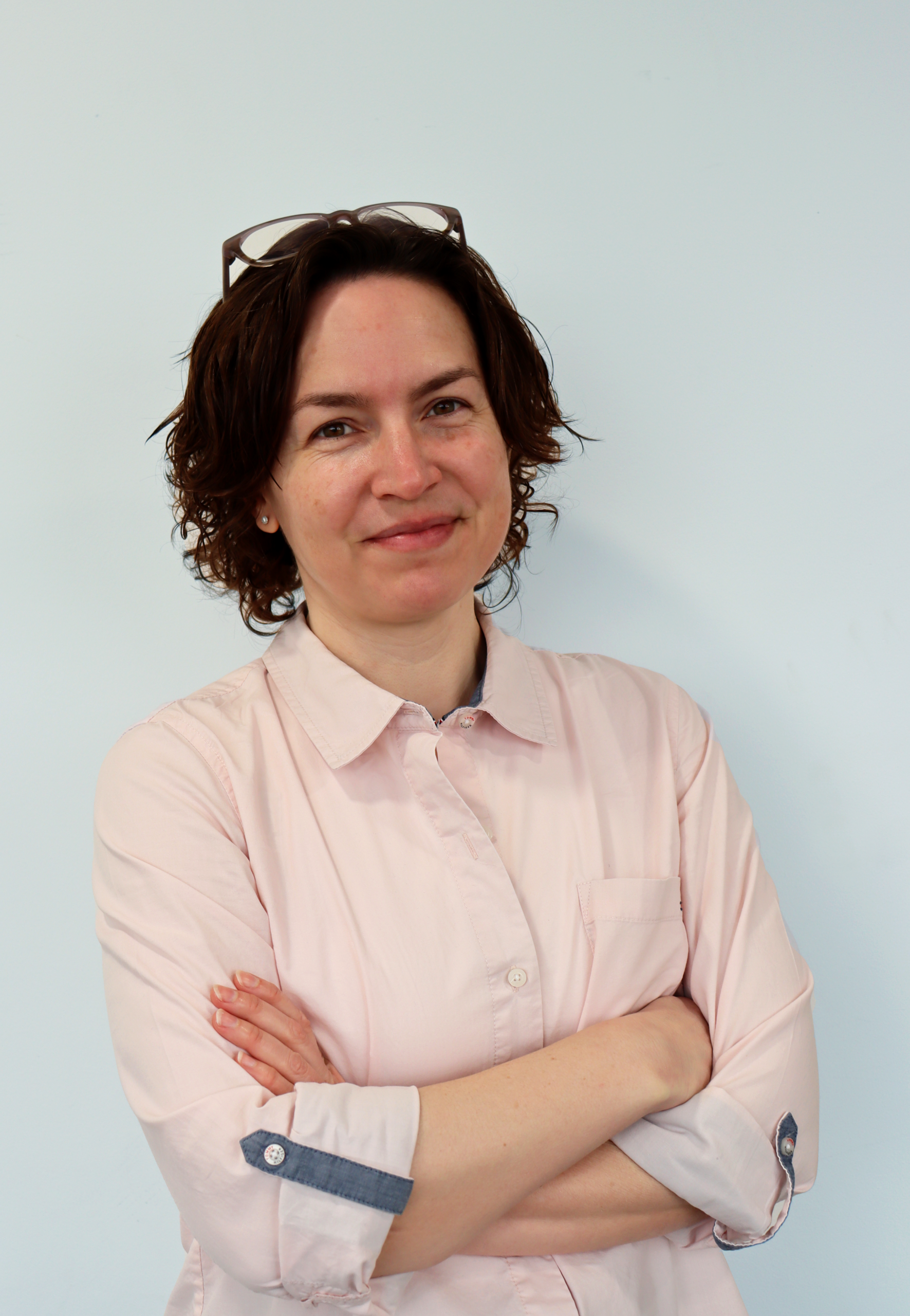
Meet Andrea Hellerman, Associate Director. Andrea joins Eckersley O’Callaghan to lead and strengthen our Forensic & Diagnostic Engineering service.
Tell us about your professional journey and introduction to forensic & diagnostic engineering
My career started in architecture in the US, working across healthcare, education, multi-family residential and heritage projects. While I valued the design process, I became increasingly interested in how buildings perform once built. That led me into facade engineering and building enclosure consulting, with experience spanning the US, UK and several other European countries. Over time, my focus shifted toward the performance gap between what is designed and in-service behaviour of materials, systems and buildings. Forensic &diagnostic engineering sits directly in that space. It’s where problem solving and problem prevention come together, grounded in first principles thinking. I was drawn to understanding not just what failed, but why it failed, and how those lessons can be carried back into future projects.
Why EOC?
EOC brings together a level of technical depth and design awareness that is rare. There’s a clear emphasis on thinking critically about how things work, not just applying standard solutions. What stood out was the opportunity to help expand EOC’s diagnostic and investigative offering within a practice already known for technical rigour and design excellence. Diagnostics shouldn’t sit on the sidelines, it should inform design, construction and long-term performance. EOC felt like the right place to contribute to that shift.
What are the advantages of EOC’s in-house Forensic & Diagnostic Engineering team?
Having an in-house Forensic & Diagnostic Engineering team creates a direct link between design intent, construction methodology and real-world building performance. Too often, issues in completed buildings are treated as isolated problems, when in reality they reflect broader questions about detailing, material behaviour, workmanship, interfaces and long-term exposure. By integrating diagnostics within the same practice, lessons from investigations can feed directly back into design and delivery. This creates a valuable feedback loop in which investigative findings help sharpen future design decisions, while a deep understanding of design intent and construction makes assessments more focused, insightful and actionable. It also allows us to support clients in a more strategic way, particularly those managing large or complex portfolios. By identifying recurring issues, recognising patterns of failure and helping teams address risk early, we can contribute across the full lifecycle of a building, from early design and construction through to operation, repair and adaptation.
What are you passionate about?
I’m passionate about improving building performance and, more broadly, the quality and longevity of the built environment. I’m especially interested in the points where design intent, construction reality and long-term behaviour fall out of alignment, because that is often where the most important lessons are found. That is where first-principles thinking is most valuable. I enjoy working through complex technical problems, collaborating with others to find practical solutions, and working internationally across different project contexts. Whether that means helping prevent issues early in a project or understanding why problems have emerged later in a building’s life, I’m motivated by work that leads to better, more resilient buildings. I’m also interested in the role diagnostics can play in informing decisions around repair, retention and reuse. Understanding how a building has actually performed, together with its condition, residual capacity and material integrity, is essential when deciding what can responsibly be retained, repurposed or adapted rather than replaced. That way of thinking aligns directly with EOC’s commitment to a sustainable, long-term approach to the built environment.