London Annual Trip 2026
20 August 2026
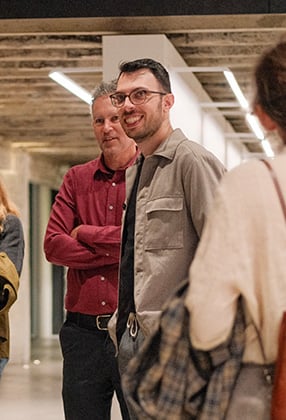
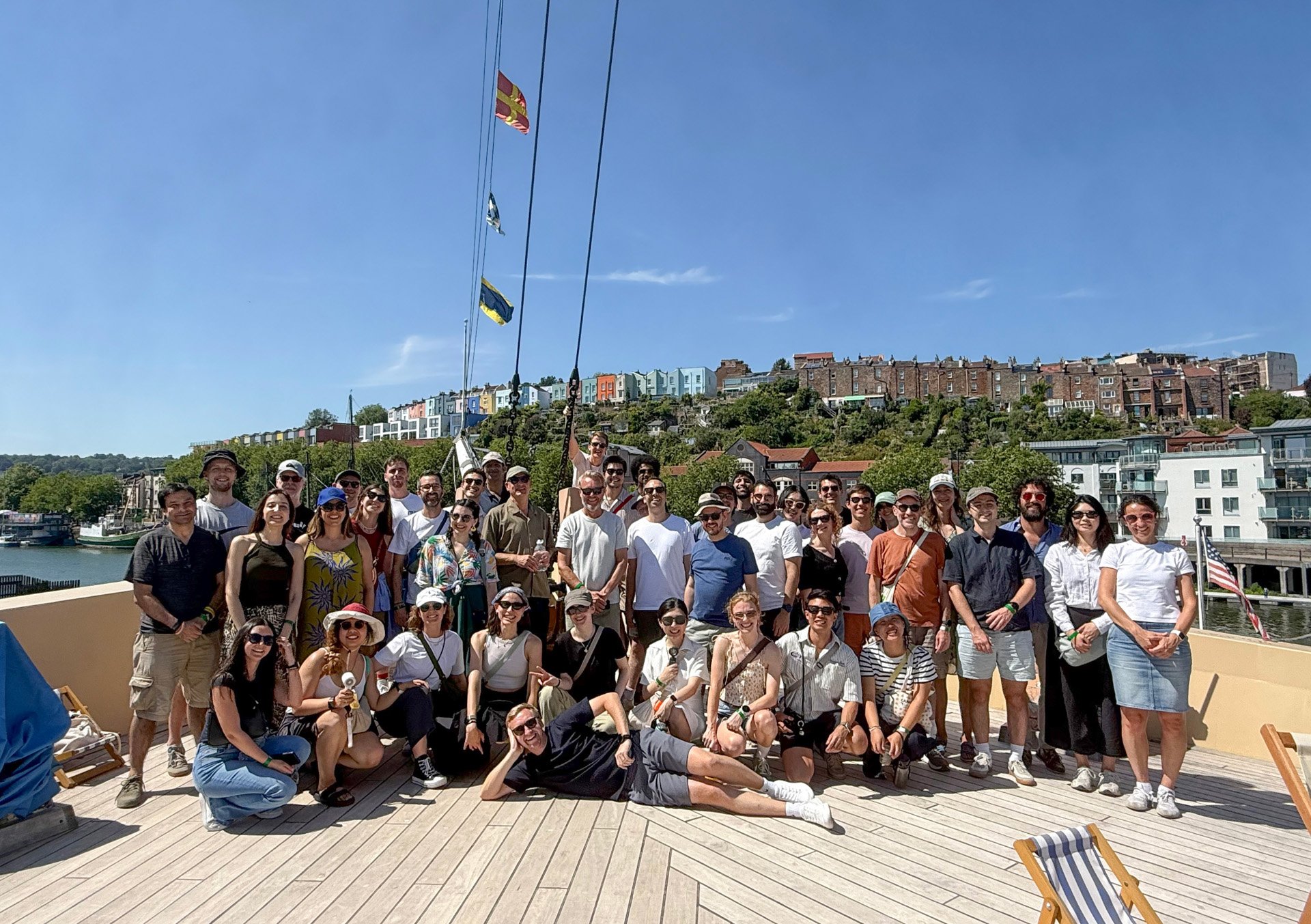
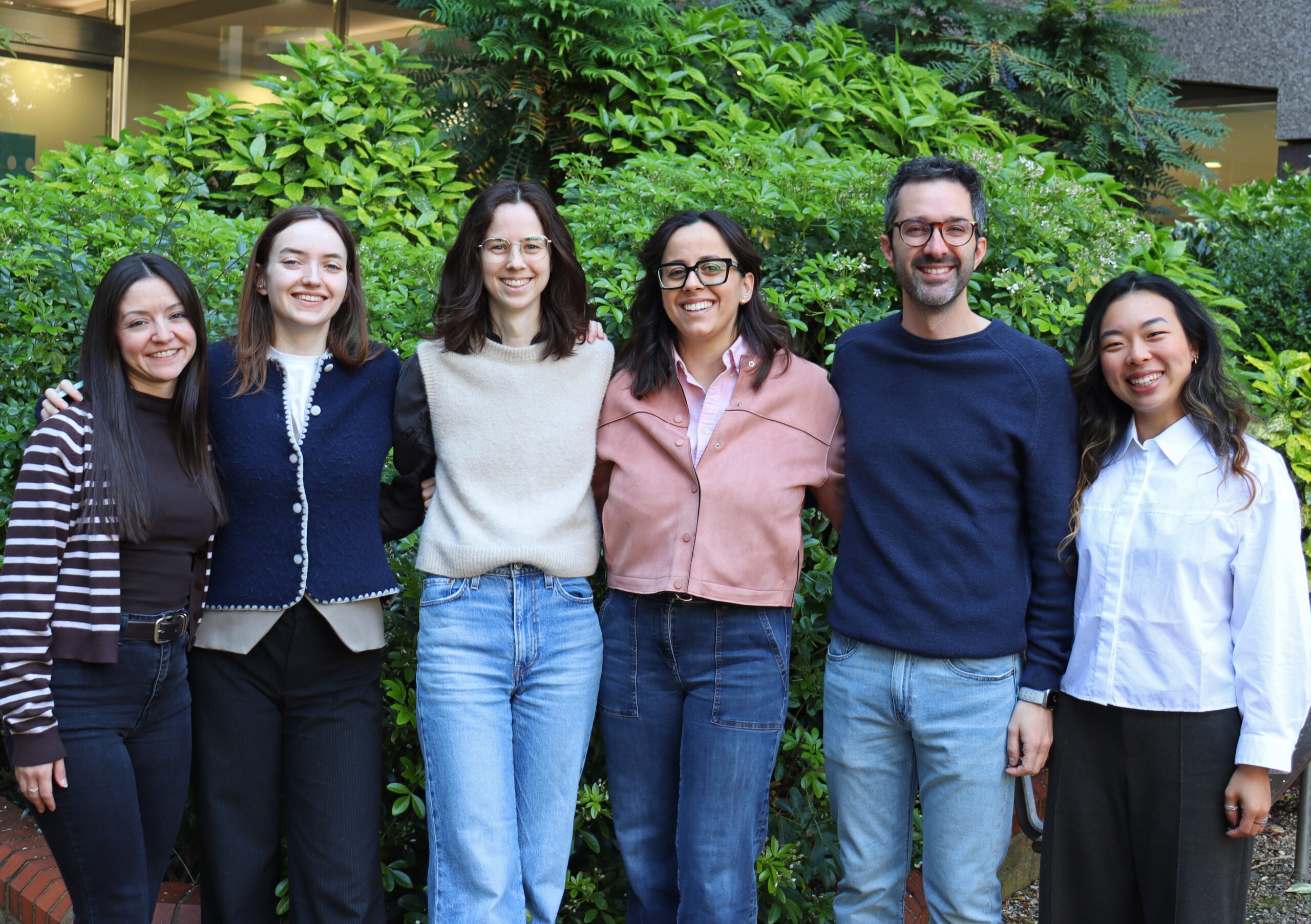
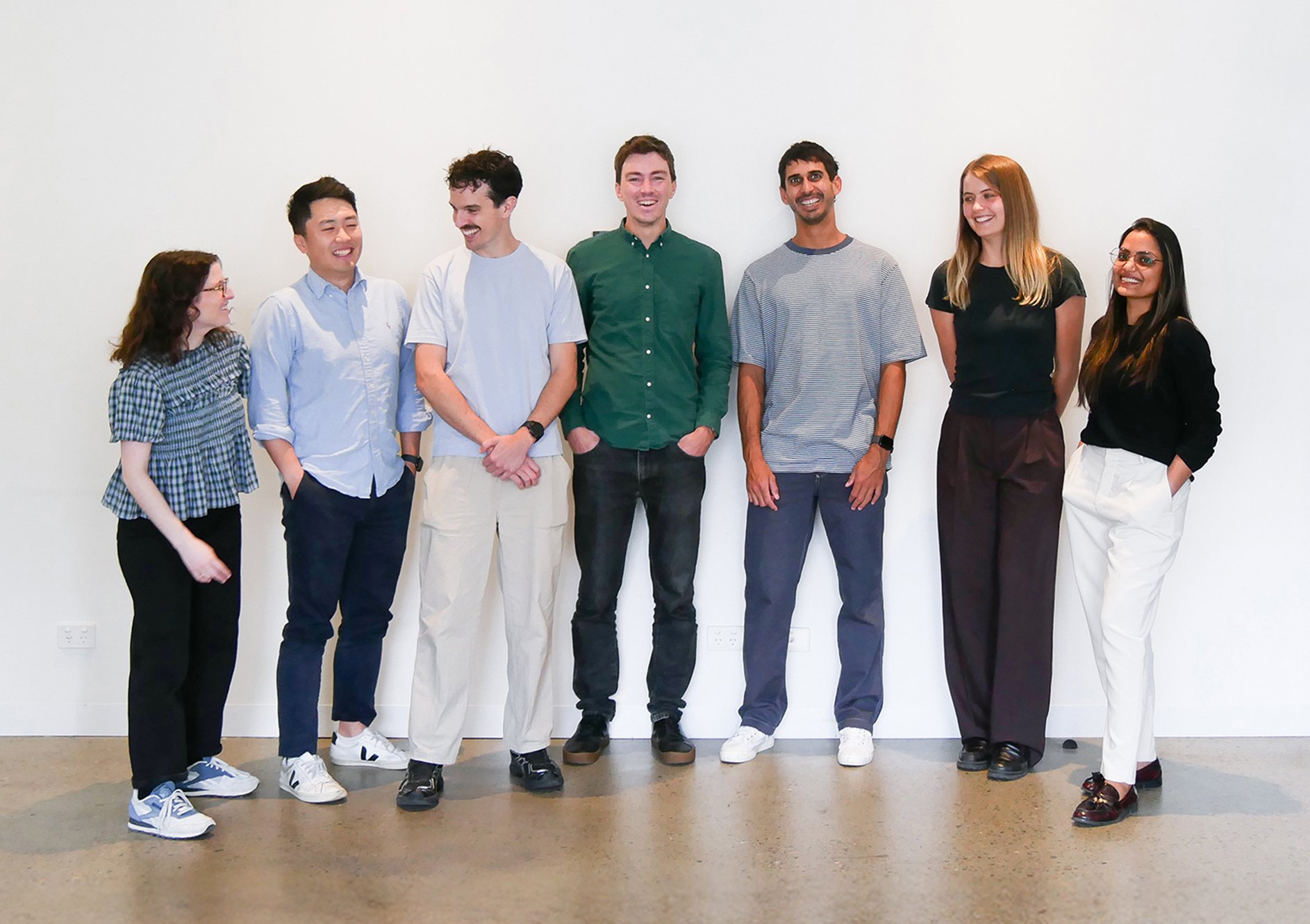
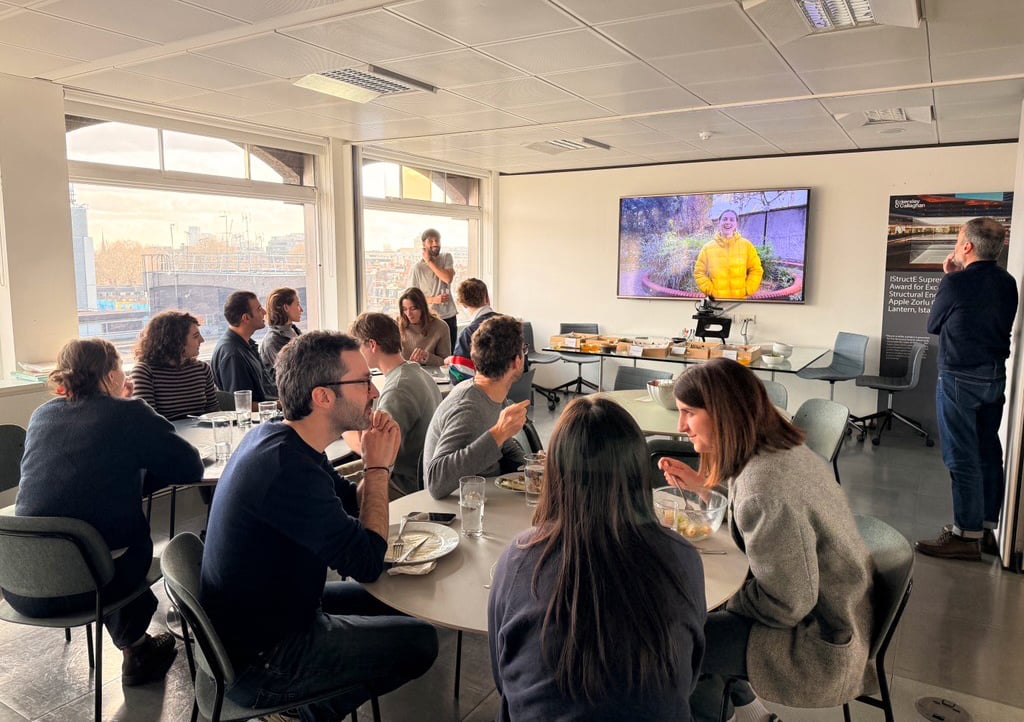
In early July, our London office made their way to Bristol for their annual team trip. Taking in the city’s architectural and engineering history, the group enjoyed two days of talks, walks and waves.
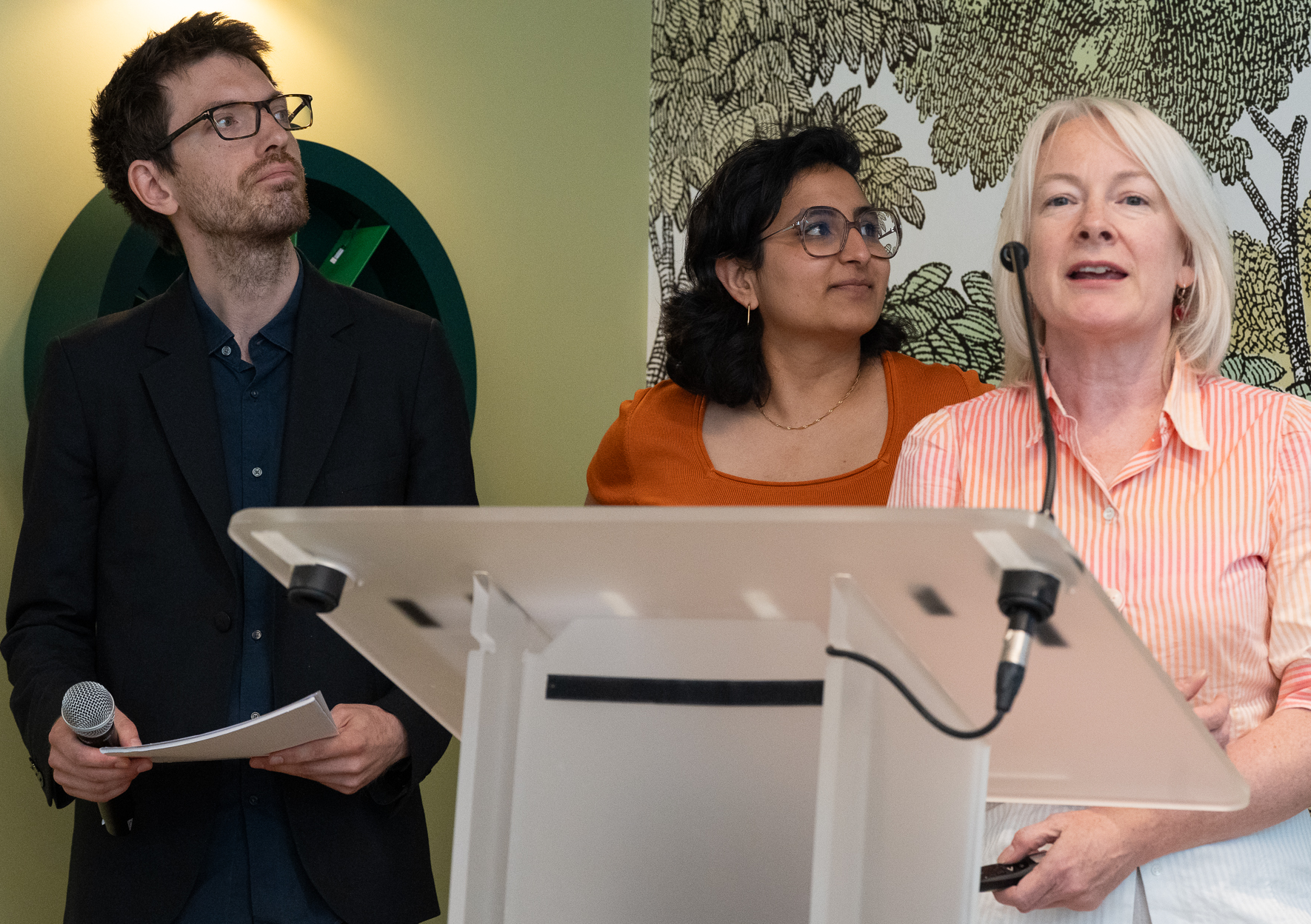
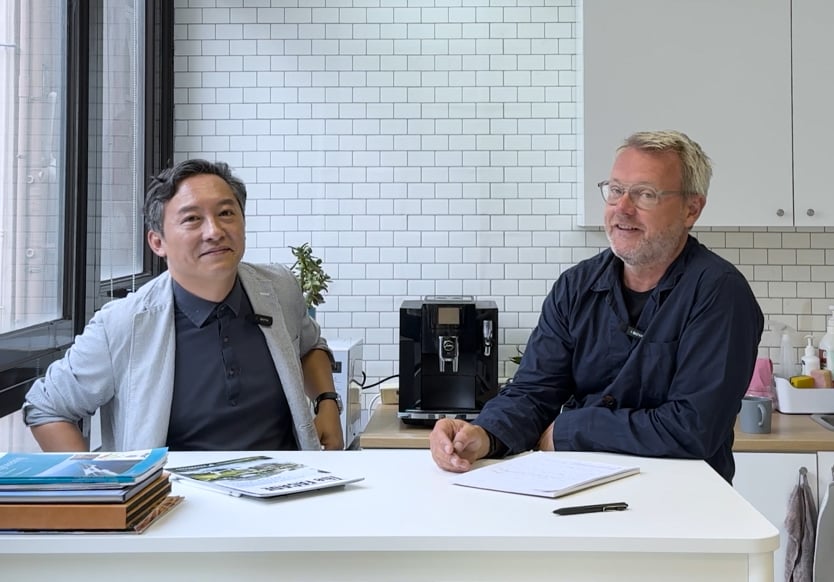
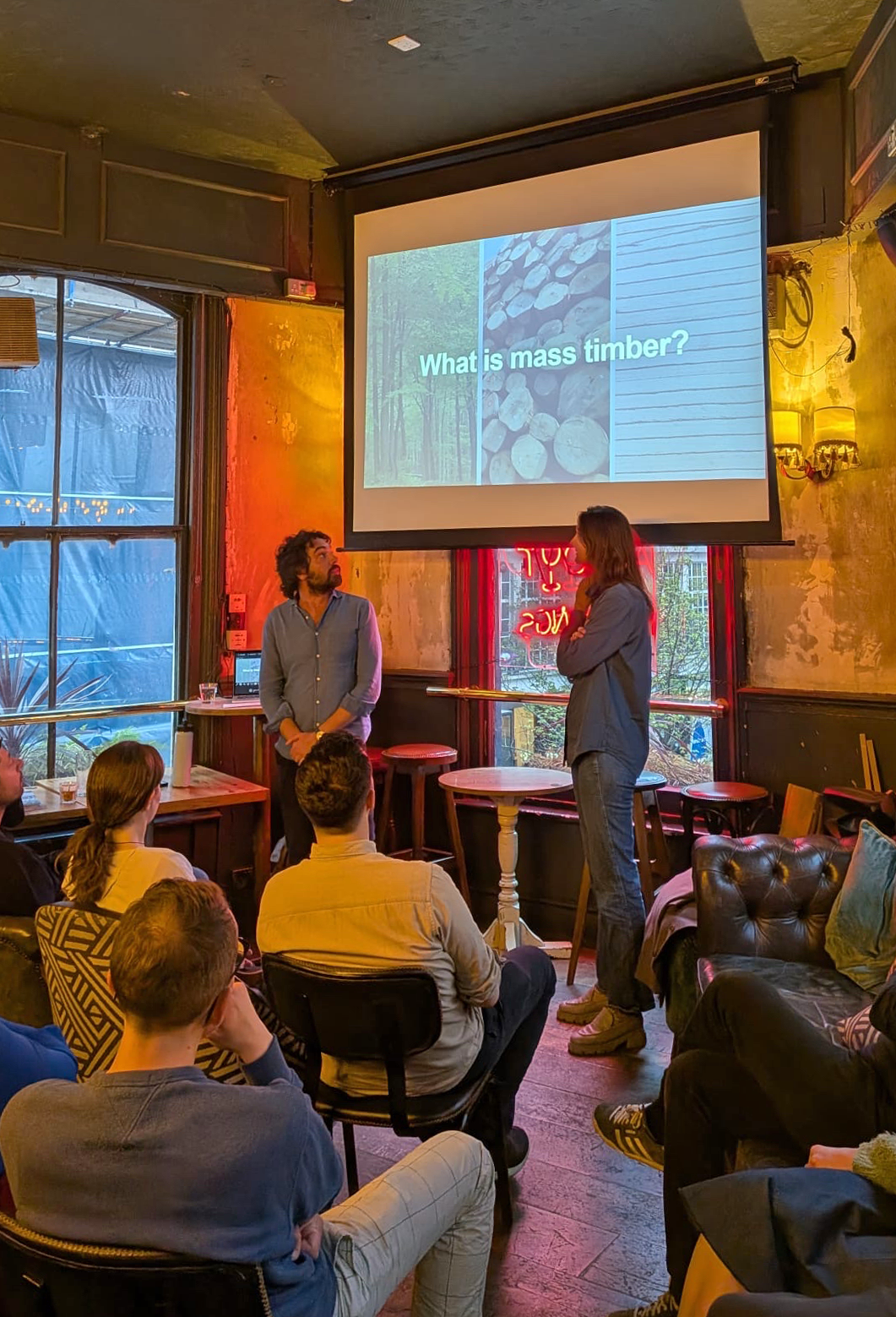
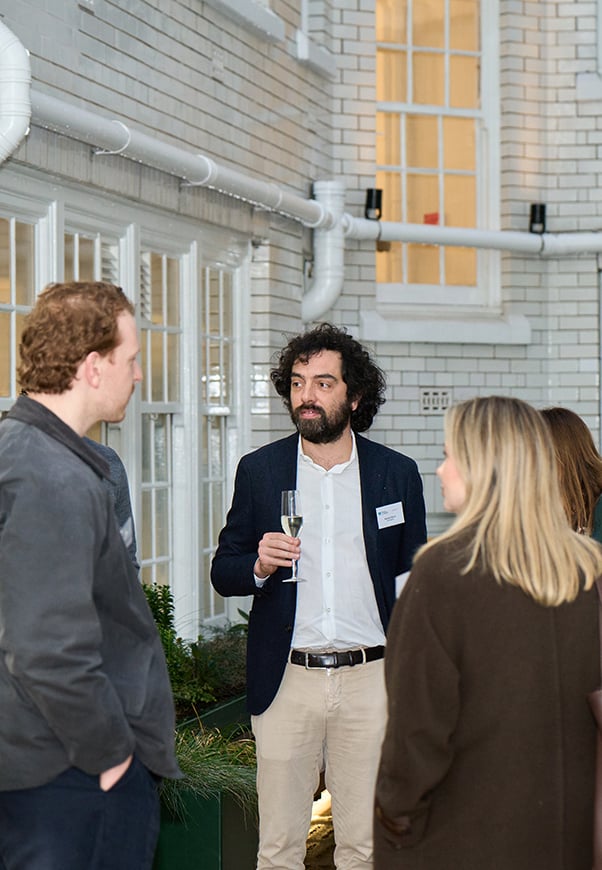
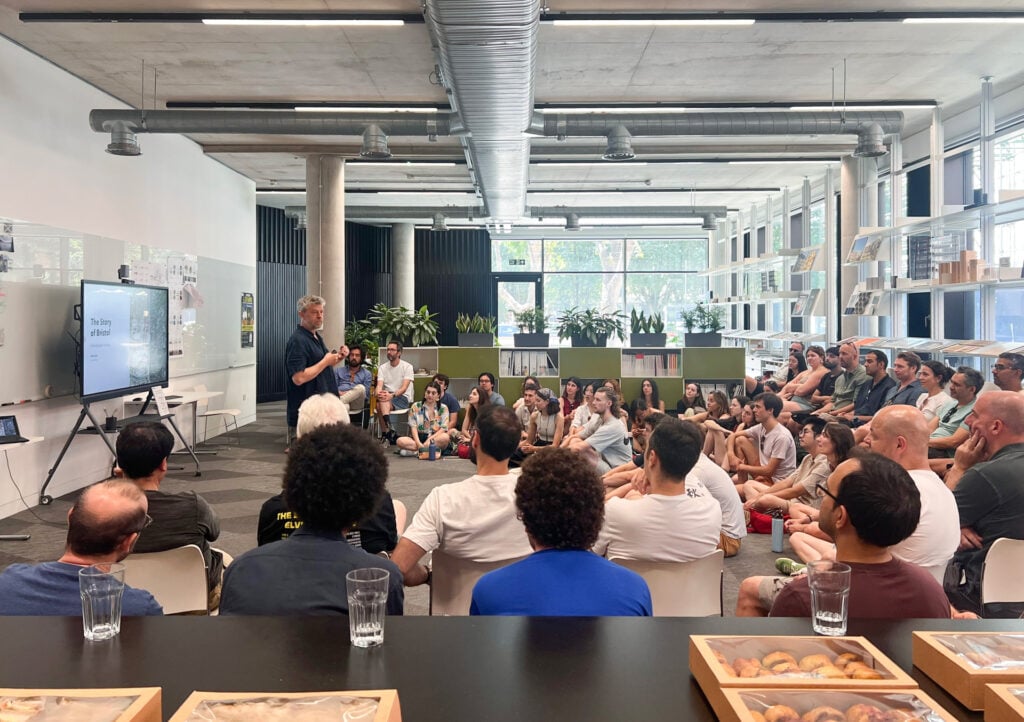
Home to some of the greatest work of one of Britain’s most revered engineers, Isambard Kingdom Brunel, the team’s programme centred around the historical importance of Bristol as one of Britain’s most significant maritime commercial cities. Kicking off the trip, AHMM’s Bristol director Cormac Farrelly kindly hosted the team at their office where he spoke about their extensive work in the city. He was followed by Pete Insole, Head of Urban Design at Bristol City Council, expert and font of knowledge on the historic development of the city. Referencing his upcoming book ‘The Place by the Bridge’, Pete gave us some fascinating insight into the origin of Bristol and how the local topography influenced the siting of Bristol Bridge, which helped shape the city of Bristol we see today.
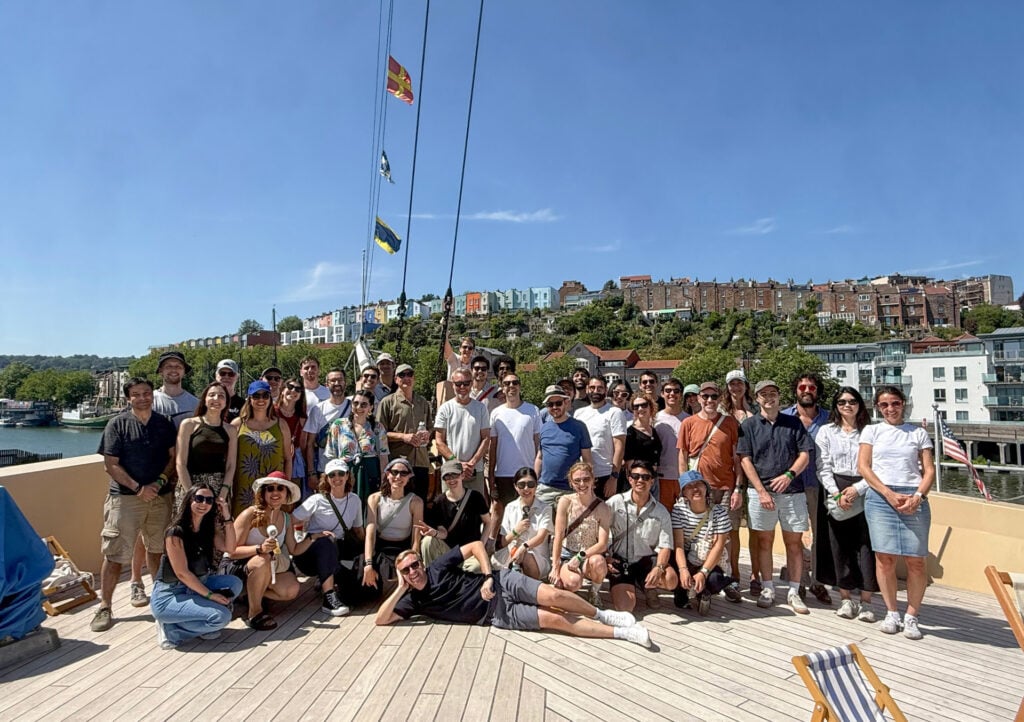
The tour through Bristol started at the dockyards for with a first stop at Brunel’s SS Great Britain. Launched in 1843, the SS Great Britain was 98m long, had a riveted iron plate, compartmentalised hull and had an engine-driven propeller, becoming the first ever ship to combine these features and the world’s longest ship by some margin. A navigation error caused it to run aground in 1846, eventually resulting in it being sold for salvage and spending the next 30 years taking emigrants to Australia. Later converted to sail and sent to the Falkland Islands as a coal carrier, the SS Great Britain was scuttled there and left as a wreck in 1937. Almost forgotten until 1970, Sir Jack Arnold Hayward and Sir Paul Getty, amongst others, paid for the ship to be towed back across the Atlantic on a pontoon up the Bristol Channel and the River Avon, where it was restored in the same original dry dock that Brunel had specially built to construct the ship. Still there, it’s now carefully looked after by the SS Great Britain Trust.
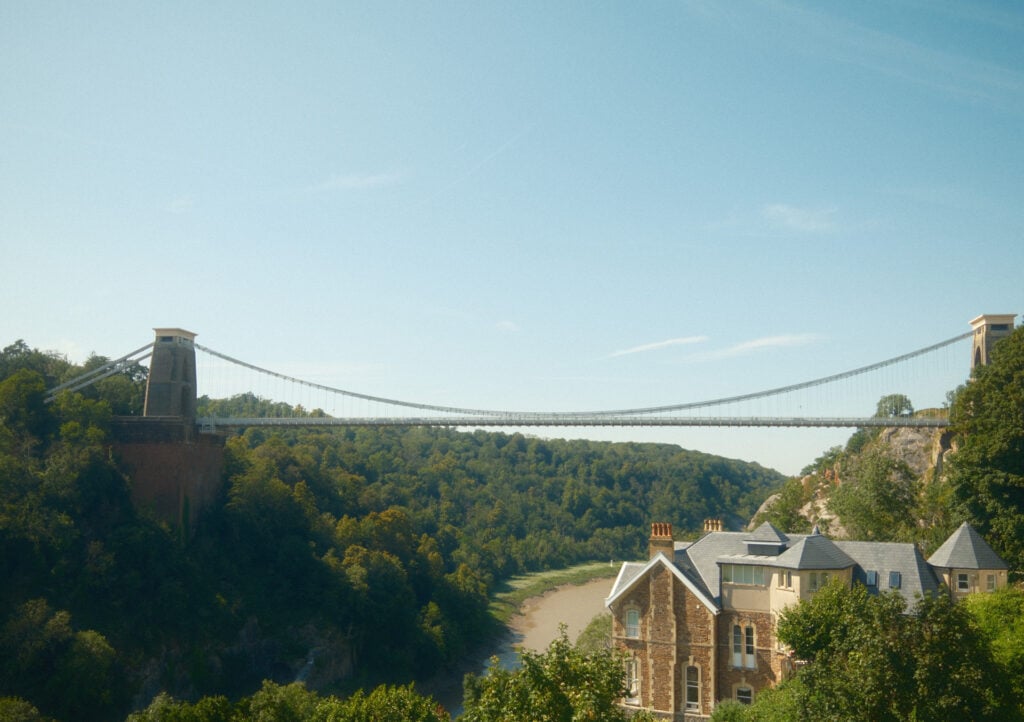
Making their way through the steep colourful streets of Bristol, the group then visited Brunel’s most iconic work, the Clifton Suspension Bridge, which spans across the Avon Gorge. Conceived to resolve a hazardous crossing with a structurally efficient and materially economical solution, the bridge deck loads are transferred via hangers to iron chains, carried over masonry towers and anchored into tapered tunnels at each abutment. Due to social unrest in Bristol at the time and a consequent lack of funds, the structure remained incomplete when Brunel died in 1859. He had sold the chains fabricated for the Clifton Bridge to the Great Western Railway, who used them to carry his Saltash Bridge across the River Tamar. The Clifton Bridge was eventually completed in 1864, using the chains salvaged from the Hungerford footbridge in London, which had also previously been built by Brunel and was being demolished to make way for the new rail crossing into Charing Cross Station!
Followed by an afternoon drink on the terrace of the Avon Gorge Hotel to take in the spectacular views of the bridge, the team made their way to the beautiful brutalist concrete Clifton Cathedral designed by Ronald Weeks and Percy Thomas Partnership in the late 1960s.
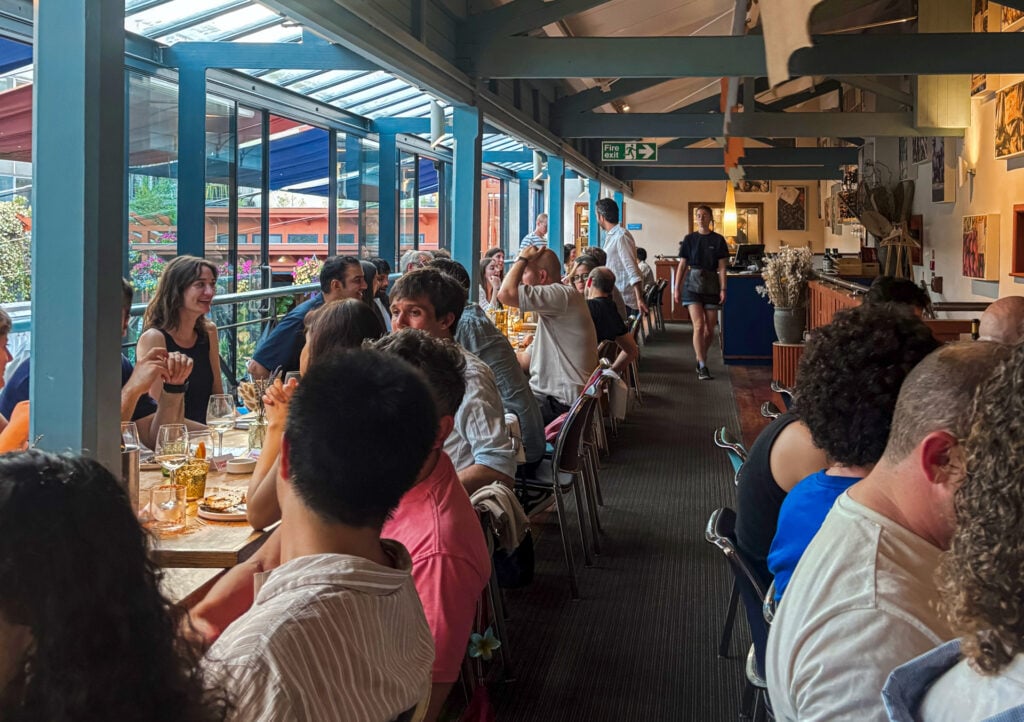
The packed day was rounded off with a team dinner, enjoyed over great food in the unique setting of the Bristol Lido.
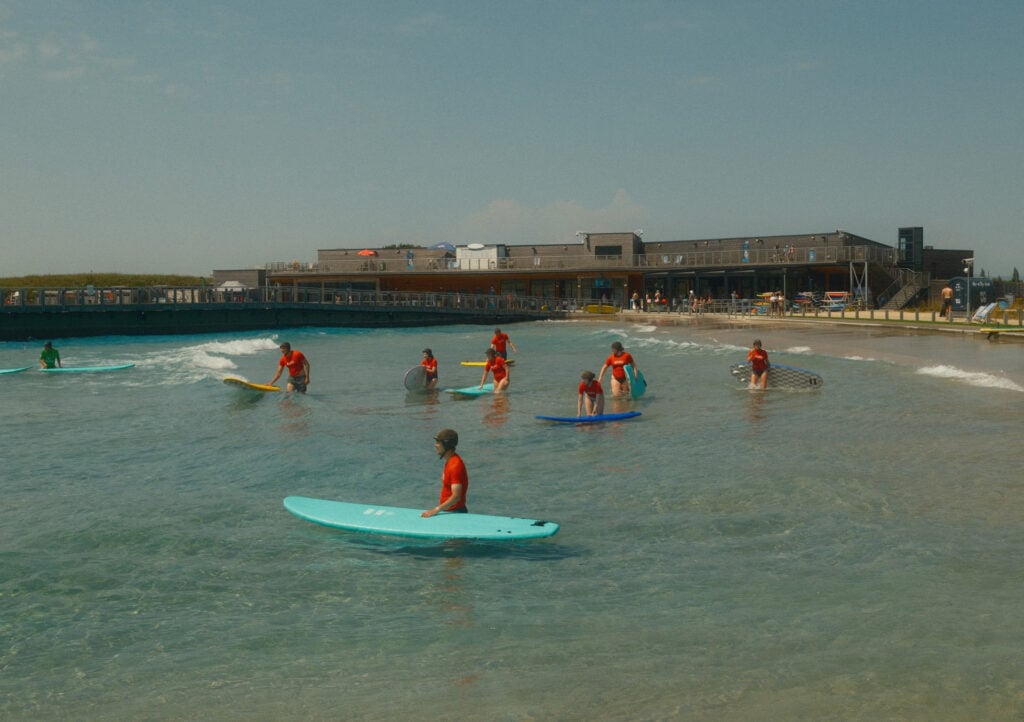
The next day, the trip concluded with a visit to The Wave to practice some inland surfing. As well as being great fun, its technically impressive, producing a consistent stream of perfect waves between 50cm and 2m high. In the 31 degree heat, it was the ideal team cool-off before Brunel got everyone back to Paddington on his Great Western Railway.